Struggling with Weight? Your Gut Microbiome Might Be the Key!
In the quest for sustainable weight loss and overall well-being, many paths are explored, from restrictive diets to intense exercise regimes. Yet, a growing body of scientific evidence points towards an often-overlooked but profoundly influential factor: the intricate ecosystem within your gut, known as the microbiome.
This bustling community of trillions of microorganisms plays a critical role in metabolism, inflammation, and weight management, making its balance paramount for anyone looking to achieve a healthier weight and improve their quality of life. Understanding and nurturing your gut flora isn't just about digestion; it's about unlocking your body's full potential for health.
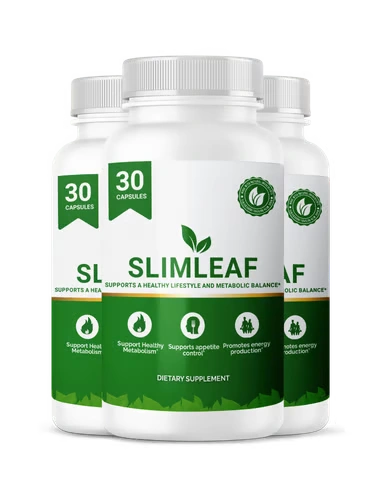
The Gut Microbiome: Your Inner Ecosystem and Its Impact on Health
Before we delve into restoration strategies, it's crucial to understand what the gut microbiome is and why it holds such sway over our health, particularly concerning obesity.
The human gut is home to trillions of bacteria, viruses, fungi, and other microorganisms, collectively known as the gut microbiome. This intricate ecosystem, primarily residing in the large intestine, is far from a passive inhabitant. It actively participates in numerous bodily functions vital for survival and well-being. From aiding in the digestion of complex carbohydrates that our own enzymes cannot break down to synthesizing essential vitamins like B and K, the microbiome is an indispensable partner in our health.
Beyond digestion, the gut flora plays a significant role in training and regulating our immune system. It acts as a barrier against pathogens, influences inflammation throughout the body, and even communicates with the brain via the "gut-brain axis," impacting mood, cognitive function, and behavior. When this delicate balance is disrupted, a state known as gut dysbiosis occurs, which can have far-reaching consequences for overall health, including a profound link to metabolic disorders and obesity.
Recent research has illuminated how specific microbial compositions can influence how we store fat, regulate blood sugar, and even control our appetite. Certain bacterial species may be more efficient at extracting calories from food, leading to increased energy absorption and potential weight gain, even on similar diets. Others can trigger low-grade systemic inflammation, a hallmark of obesity and metabolic syndrome, further complicating weight management efforts.
Understanding this fundamental connection is the first step towards taking control of your health and embarking on an effective journey towards gut flora restoration and sustainable weight management.
💡 Key Takeaway
The gut microbiome is a vital internal ecosystem influencing digestion, immunity, mood, and crucially, metabolism and weight. An imbalanced gut (dysbiosis) is directly linked to obesity and metabolic issues.
Gut Dysbiosis and Obesity: Unpacking the Connection
The link between an unhealthy gut microbiome and obesity is no longer a fringe theory; it's a scientifically established fact. But how exactly does this microscopic community influence something as macroscopic as body weight?
When the balance of beneficial and harmful bacteria in your gut is disrupted – a state of dysbiosis – several mechanisms can contribute to weight gain and make weight loss incredibly challenging. One primary way is through altered energy harvesting. Studies have shown that certain microbial profiles, particularly those with a higher ratio of Firmicutes to Bacteroidetes, can be more efficient at extracting calories from food, meaning you absorb more energy from the same amount of food compared to someone with a balanced microbiome. This excess energy is then stored as fat, contributing to weight gain.
Furthermore, dysbiosis can lead to increased gut permeability, often referred to as "leaky gut." When the intestinal lining becomes compromised, bacterial toxins (like lipopolysaccharides or LPS) can leak into the bloodstream. This triggers a chronic, low-grade inflammatory response throughout the body. This systemic inflammation is a significant driver of insulin resistance, a key factor in type 2 diabetes and obesity, as it impairs the body's ability to utilize glucose effectively and promotes fat storage, particularly around the abdominal area. This inflammatory state also disrupts satiety signals, potentially leading to increased food intake and cravings.
The gut microbiome also plays a role in regulating hormones that control appetite and satiety, such as leptin and ghrelin. An imbalanced gut can interfere with the production and signaling of these hormones, leading to increased hunger, reduced feelings of fullness, and a tendency to overeat. Certain gut bacteria also produce short-chain fatty acids (SCFAs) like butyrate, propionate, and acetate, which are crucial for gut health, energy metabolism, and even satiety. Dysbiosis can reduce the production of beneficial SCFAs, further impacting metabolic health.
This complex interplay highlights why simply focusing on calories in vs. calories out often falls short for individuals struggling with obesity. Addressing the underlying gut dysbiosis is a critical, often overlooked, component of a successful and sustainable weight management strategy. By restoring gut flora, we can potentially re-program our metabolism, reduce inflammation, and improve hormonal balance, making the body more receptive to weight loss efforts.
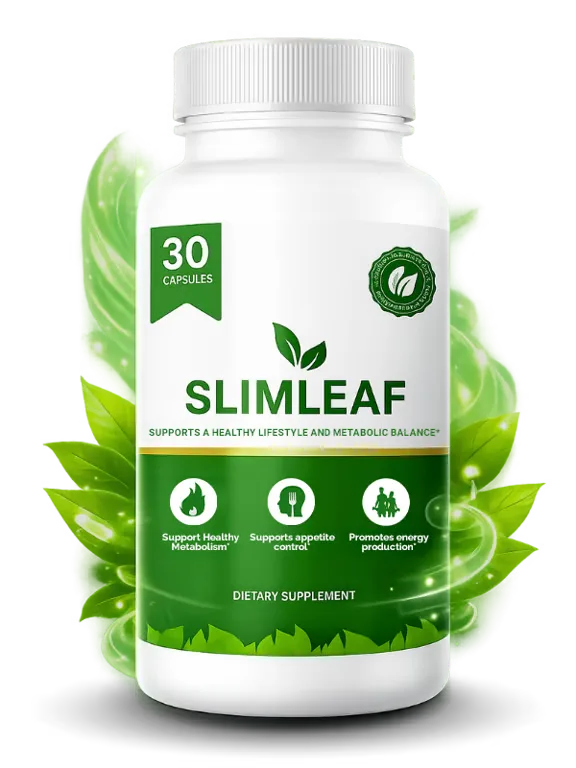
Strategies for Gut Flora Restoration: Your Best Options
Restoring a healthy gut microbiome is a holistic endeavor that involves dietary changes, lifestyle adjustments, and, for some, targeted supplementation. Here are the best options to consider.
Embrace a Fiber-Rich, Diverse Plant-Based Diet
This is arguably the most impactful strategy. Your gut bacteria thrive on dietary fiber, especially soluble fiber and resistant starches, which act as prebiotics. Incorporate a wide variety of fruits, vegetables, whole grains, legumes, nuts, and seeds into your diet. Aim for at least 25-30 grams of fiber daily from diverse sources to feed a broad spectrum of beneficial microbes. Diversity in plant intake is key to fostering a diverse microbiome.
Incorporate Fermented Foods (Natural Probiotics)
Fermented foods are natural sources of beneficial bacteria, introducing new strains into your gut. Examples include yogurt (with live active cultures), kefir, sauerkraut, kimchi, miso, tempeh, and kombucha. Start slowly and gradually increase your intake to avoid digestive discomfort. These foods can help replenish and diversify your gut flora. For more targeted support, you might want to explore our article on best probiotics for belly fat.
Limit Processed Foods, Sugar, and Artificial Sweeteners
These dietary culprits can wreak havoc on your gut microbiome. Processed foods often lack fiber and are high in unhealthy fats and sugars, favoring the growth of detrimental bacteria. Artificial sweeteners, surprisingly, have also been shown to negatively alter gut flora and impair glucose metabolism. Reducing their intake is crucial for creating a hospitable environment for beneficial microbes.
Prioritize Quality Sleep
The connection between sleep and gut health is profound. Sleep deprivation can disrupt the circadian rhythm of your gut microbes, leading to dysbiosis and increased inflammation. Aim for 7-9 hours of quality sleep per night to support a healthy gut-brain axis and overall metabolic function. Establishing a consistent sleep schedule can have a surprisingly positive impact on your gut.
Manage Stress Effectively
Chronic stress is a known disruptor of gut health. It can alter gut motility, increase gut permeability, and shift the balance of gut bacteria. Incorporate stress-reduction techniques into your daily routine, such as meditation, yoga, deep breathing exercises, spending time in nature, or engaging in hobbies you enjoy. A calm mind contributes to a calm gut.
Regular Physical Activity
Exercise isn't just good for your muscles and heart; it's also a powerful modulator of the gut microbiome. Regular moderate exercise has been shown to increase the diversity of beneficial gut bacteria and improve gut barrier function. Aim for at least 150 minutes of moderate-intensity aerobic activity per week, along with strength training, to support both your physical and gut health.
Consider Targeted Supplementation (Probiotics & Prebiotics)
While diet and lifestyle are foundational, targeted supplementation can provide an extra boost, especially for those with significant dysbiosis or specific health goals like weight management. High-quality probiotic supplements introduce specific beneficial bacterial strains, while prebiotic supplements provide the fiber to nourish them. When choosing, look for diverse strains and adequate CFU counts. Our detailed review on digestive health probiotic reviews offers further insights.
The Role of Probiotics and Prebiotics in Weight Management
When it comes to targeted gut flora restoration, probiotics and prebiotics are often at the forefront. But what exactly are they, and how do they specifically aid in the battle against obesity?
Probiotics are live microorganisms that, when administered in adequate amounts, confer a health benefit on the host. Essentially, they are "good" bacteria that can help replenish and diversify your existing gut flora. Different strains of probiotics have different effects, and research is continuously uncovering their specific roles. For weight management, certain strains like Lactobacillus gasseri, Bifidobacterium lactis, and others have shown promise in clinical studies. They may help by:
- Modulating fat storage: Some strains can influence how fat is absorbed and stored in the body.
- Reducing inflammation: By strengthening the gut barrier and reducing the leakage of toxins, probiotics can lower systemic inflammation, which is a major contributor to obesity and insulin resistance.
- Influencing appetite hormones: They can affect the production and signaling of hormones like GLP-1 and leptin, potentially leading to reduced appetite and increased feelings of fullness.
- Improving metabolic markers: Probiotics have been shown to improve insulin sensitivity and glucose metabolism in some individuals.
Prebiotics, on the other hand, are non-digestible fibers that selectively stimulate the growth and/or activity of beneficial bacteria in the colon. Think of them as food for your good gut microbes. Common prebiotics include inulin, fructooligosaccharides (FOS), galactooligosaccharides (GOS), and resistant starch. By feeding beneficial bacteria, prebiotics help them flourish and produce beneficial compounds like short-chain fatty acids (SCFAs), particularly butyrate. SCFAs are vital for:
- Gut barrier integrity: Butyrate is the primary fuel for colonocytes, helping to maintain a strong gut lining.
- Satiety and energy regulation: SCFAs can influence appetite and glucose homeostasis.
- Anti-inflammatory effects: They have potent anti-inflammatory properties, further combating the metabolic inflammation associated with obesity.
Combining probiotics and prebiotics (often found in what are called "synbiotic" supplements) can be a highly effective strategy, as the prebiotics help the probiotics survive and thrive, maximizing their beneficial effects. When considering a supplement, look for those that offer a diverse blend of both, ensuring a comprehensive approach to gut flora restoration. For those seeking comprehensive approaches, exploring gut health remedies that work can provide additional insights.
Factors That Harm Your Microbiome: What to Avoid
While focusing on what to add to your diet and lifestyle is important, understanding what damages your gut microbiome is equally crucial. Avoiding these disruptors can prevent dysbiosis and support restoration efforts.
Antibiotics (Overuse)
While life-saving when necessary, antibiotics are indiscriminate killers, wiping out beneficial bacteria along with harmful ones. Frequent or unnecessary antibiotic use can significantly deplete gut diversity and lead to long-term dysbiosis. Discuss alternatives with your doctor when appropriate and always follow post-antibiotic recovery protocols, often involving probiotics.
Highly Processed Foods & Sugar
Diets high in refined sugars, unhealthy fats, and artificial ingredients starve beneficial bacteria and feed pathogenic ones. This leads to an imbalance, inflammation, and can hinder weight loss efforts. These foods also lack the fiber necessary to support a thriving gut ecosystem.
Excessive Alcohol Consumption
Regular heavy alcohol intake can irritate the gut lining, increase permeability ("leaky gut"), and significantly alter the composition of the microbiome. It can reduce bacterial diversity and promote the growth of undesirable species, contributing to inflammation and digestive issues.
Environmental Toxins & Pesticides
Exposure to environmental pollutants, heavy metals, and pesticides in non-organic foods can negatively impact gut bacteria. These toxins can disrupt the delicate balance, impair gut barrier function, and contribute to inflammation. Choosing organic and filtering water can help minimize exposure.
Chronic Stress & Lack of Sleep
As mentioned earlier, both chronic psychological stress and insufficient sleep have direct negative impacts on the gut microbiome. They can alter gut motility, increase inflammation, and shift bacterial populations towards less beneficial species. Prioritizing mental well-being and consistent sleep is vital.
Introducing SlimLeaf: A Targeted Approach to Microbiome Balance
While diet and lifestyle are the cornerstones of gut health, a high-quality, targeted supplement can provide significant support, especially when addressing specific challenges like obesity. SlimLeaf is formulated to offer such comprehensive support, focusing on gut flora restoration and metabolic enhancement.

Potent Probiotic Blend (500 Million CFU)
Role: A diverse blend of beneficial bacteria strains carefully selected to replenish and diversify your gut microbiome. These strains work to crowd out harmful bacteria, strengthen the gut barrier, reduce inflammation, and optimize nutrient absorption. They are crucial for improving digestive regularity and supporting a healthy immune response, both of which are foundational for metabolic health.
Proprietary Blend with multiple strains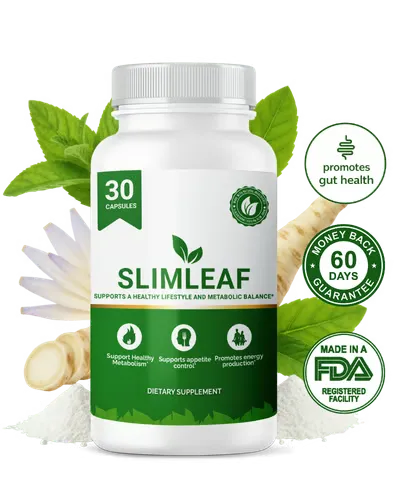
Targeted Prebiotic Fiber Complex
Role: This complex provides essential nourishment for the beneficial bacteria in your gut. By acting as a selective food source, prebiotics help the probiotic strains thrive and multiply, enhancing their effectiveness. This also promotes the natural production of short-chain fatty acids (SCFAs) like butyrate, which are vital for gut lining integrity, reducing inflammation, and regulating appetite, directly contributing to weight management.
Derived from natural plant sources
Green Tea Extract (EGCG)
Role: Rich in antioxidants, especially Epigallocatechin gallate (EGCG), Green Tea Extract is known for its thermogenic properties. It helps boost metabolism and enhances the body's fat-burning capabilities. Beyond its direct metabolic effects, EGCG also supports a healthy gut environment by promoting the growth of beneficial bacteria and reducing inflammation, creating a synergistic effect with the probiotics and prebiotics.
Standardized to 50% EGCG
Apple Cider Vinegar (ACV)
Role: ACV has long been recognized for its digestive and metabolic benefits. It can help balance stomach acid, which is crucial for proper digestion and nutrient absorption. Furthermore, ACV has been shown to improve insulin sensitivity, help regulate blood sugar levels, and may contribute to feelings of fullness, thus aiding in appetite control and weight management. It also provides a mild prebiotic effect, supporting gut flora indirectly.
500mg per servingSlimLeaf combines these powerful ingredients to offer a multi-faceted approach to gut health and weight management. By restoring microbiome balance, supporting digestion, and boosting metabolism, SlimLeaf aims to provide a natural and effective solution for those struggling with obesity and seeking holistic wellness.
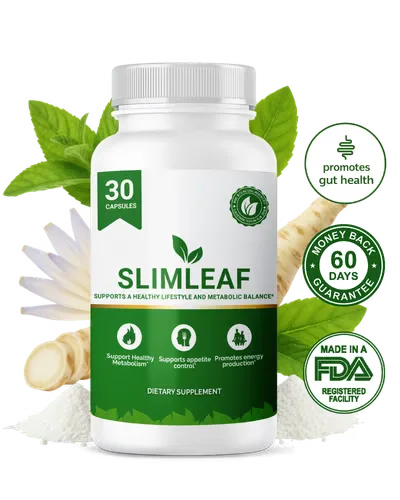
Take Control of Your Gut Health & Weight Today with SlimLeaf!
Don't let an imbalanced gut hold you back from achieving your weight loss goals and enjoying vibrant health. SlimLeaf offers a scientifically formulated blend to support a healthy gut microbiome, aid digestion, and promote natural weight management.
- Supports healthy digestion and nutrient absorption
- Balances gut flora for improved metabolic function
- Boosts natural metabolism and fat-burning processes
- Helps curb cravings and promote satiety
- Made with 100% natural, high-quality ingredients




Real Results from Real People
"I've struggled with my weight for years, and nothing seemed to work. Since starting SlimLeaf, my digestion is better, my cravings have diminished, and I've finally started seeing the scale move! It feels like my body is finally working with me instead of against me."
"Before SlimLeaf, I often felt bloated and sluggish. Within a few weeks, I noticed a significant improvement in my energy levels and overall gut comfort. The weight loss was a fantastic bonus, but the feeling of lightness and improved digestion is truly life-changing."
"My doctor mentioned my gut health might be impacting my weight. After doing some research, I decided to try SlimLeaf. I'm so glad I did! I'm losing weight steadily, and I feel much more balanced and energetic. It's an essential part of my daily routine now."
Frequently Asked Questions
What is the gut microbiome and why is it important for weight?
+The gut microbiome is a complex community of trillions of microorganisms residing in your digestive tract. It plays a crucial role in nutrient absorption, metabolism, immune function, and even mood. An imbalanced microbiome (dysbiosis) has been strongly linked to inflammation, altered metabolism, increased fat storage, and conditions like obesity, making its balance vital for weight management.
How does an imbalanced gut microbiome contribute to obesity?
+Gut dysbiosis can lead to several factors contributing to obesity. Certain microbial profiles can increase the efficiency of calorie extraction from food, promote inflammation that disrupts metabolic pathways, influence appetite-regulating hormones, and impair insulin sensitivity. This creates a challenging environment for weight loss and can lead to increased fat accumulation.
What are the best natural ways to restore gut flora?
+Natural restoration involves a multi-faceted approach. Prioritize a diet rich in diverse plant fibers (prebiotics), fermented foods (probiotics like kimchi, yogurt, sauerkraut), and lean proteins. Limit processed foods, sugar, and artificial sweeteners. Hydration, regular exercise, adequate sleep, and stress management are also critical for nurturing a healthy gut environment.
Are probiotics and prebiotics truly effective for gut health and weight loss?
+Yes, both probiotics (beneficial live bacteria) and prebiotics (fibers that feed these bacteria) are highly effective. Probiotics introduce good bacteria, helping to crowd out harmful ones and diversify the microbiome. Prebiotics act as fuel, promoting the growth and activity of existing beneficial microbes. Together, they can improve digestion, reduce inflammation, and support metabolic health, indirectly aiding in weight management when combined with a healthy lifestyle.
How does SlimLeaf support microbiome balance and weight management?
+SlimLeaf is formulated with a powerful blend of probiotics, prebiotics, and natural plant extracts specifically chosen to support gut flora restoration and healthy metabolism. Its ingredients work synergistically to enhance beneficial bacteria, improve digestion, reduce cravings, and optimize the body's natural fat-burning processes, offering comprehensive support for individuals managing their weight.
Is SlimLeaf safe and are there any side effects?
+SlimLeaf is made with 100% natural ingredients, is manufactured in an FDA-registered, GMP-certified facility in the USA, and is generally considered safe for most adults. There are no reported significant side effects when taken as directed. However, as with any supplement, if you have pre-existing medical conditions, are pregnant, nursing, or taking medication, it's always recommended to consult your healthcare provider before starting.
Related Articles